About
Who Is Tunji Idowu?
People often describe leaders by the positions they have held. Titles tell you where someone worked. They rarely tell you what the work taught them, what they believe, or who they become when the office empties. This page is my attempt at the second thing.
Begin the story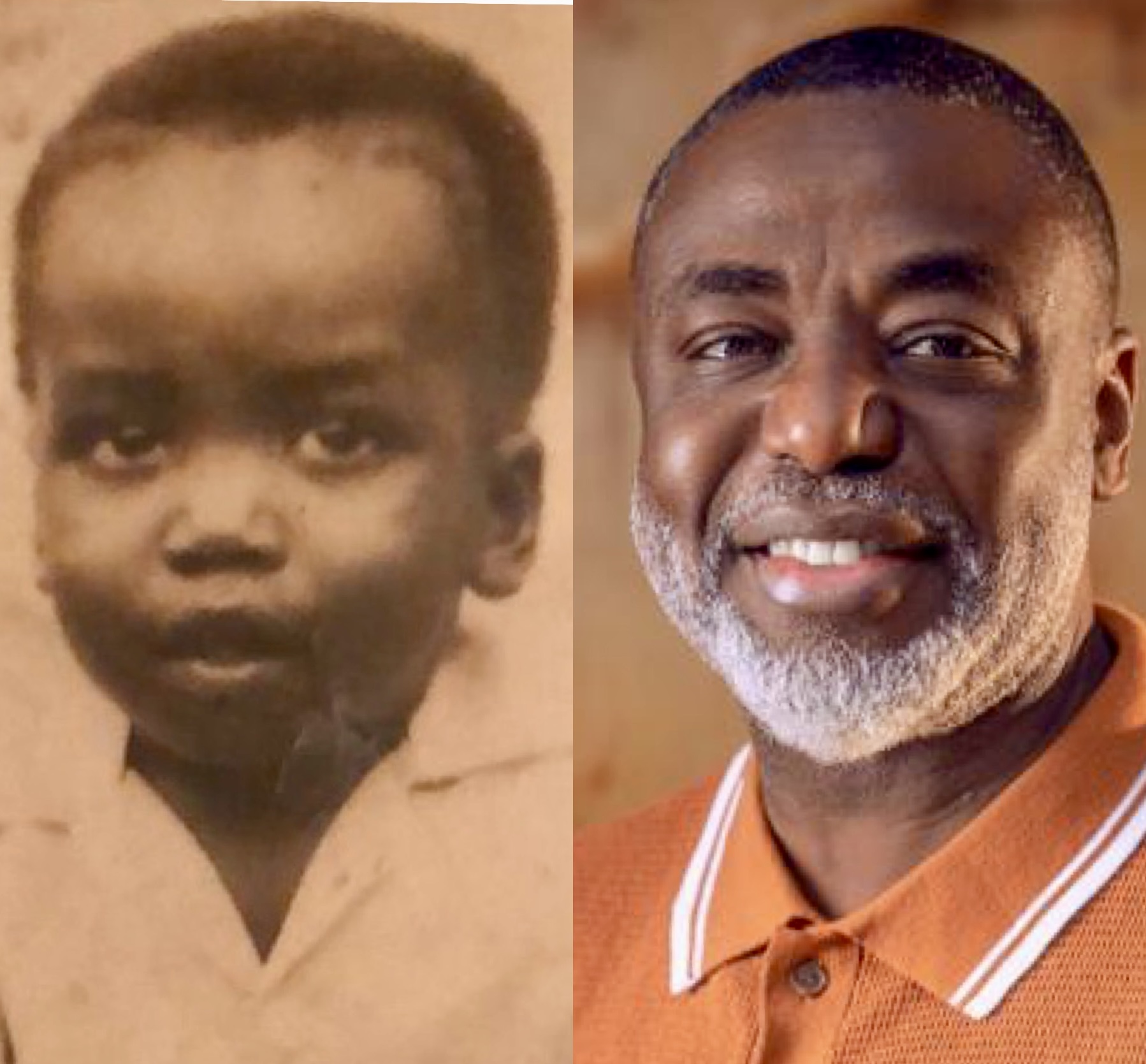
The journey
I did not set out to advise chief executives. I set out to do useful work, and then to keep doing it in progressively harder rooms.
My early work years took me through the Ondo State Government, a publishing house, and a Marketing, Advertising and Public Relations firm. I arrived in most of those rooms with no standing and very little to say but a lot to learn, which turned out to be the best training. You must learn to read a room before you try to change it. You learn who actually holds the decision, which is not always the person chairing a meeting. Then I saw a newspaper job advertisement and it pointed me toward the next chapter of my career.
Most of my subsequent mid-career years were then spent at Chevron, within and outside Nigeria. A corporation of that scale teaches you things a classroom cannot.
You learn that systems have memories, and they remember how you treated people long after they have forgotten what you decided.
Later, I transitioned from the corporate world into the world of aid and development (social and nonprofit sector), where I served as Executive Director and Chief Executive of the Foundation for Partnership Initiatives in the Niger Delta. The work covered economic development, peacebuilding, organizational development, and institutional partnership, in one of the most demanding operating environments in the country.
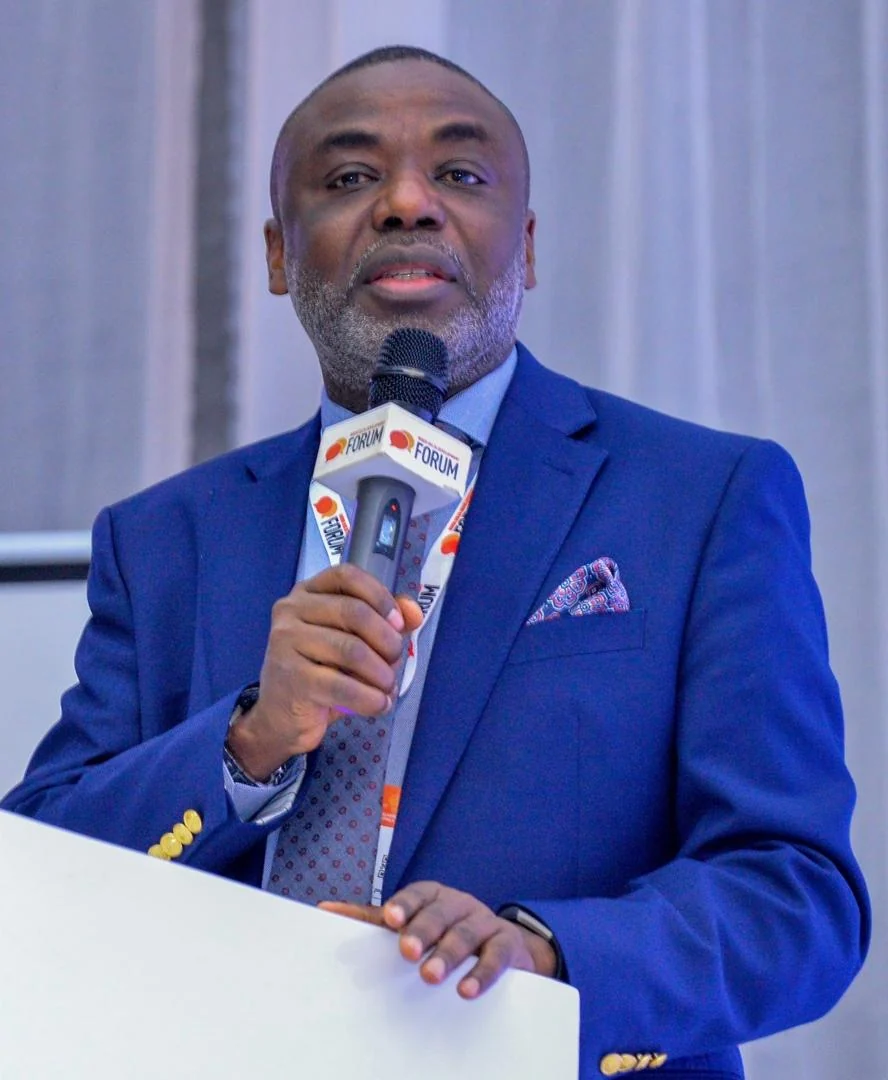
Alongside all of this, over the past three decades, another thread ran continuously: volunteerism in the church and residential communities - in varying roles - while continuing to role model the right things at home. Operating by influence rather than positional authority, these taught me things the corporate world could not. A congregation is not what you reorganize, and a community will not accept an announcement instead of a conversation. The authority you hold by consent behaves differently from that which you hold by appointment, and I have found the first kind more instructive.
Currently, I serve as Chair of the Advisory Board at Ikore International, Board Chair of the Partners for Peace Network, and Trustee of the Foundation for Partnership Initiatives in the Niger Delta. These build on Board roles across 10 organizations over the past decade.
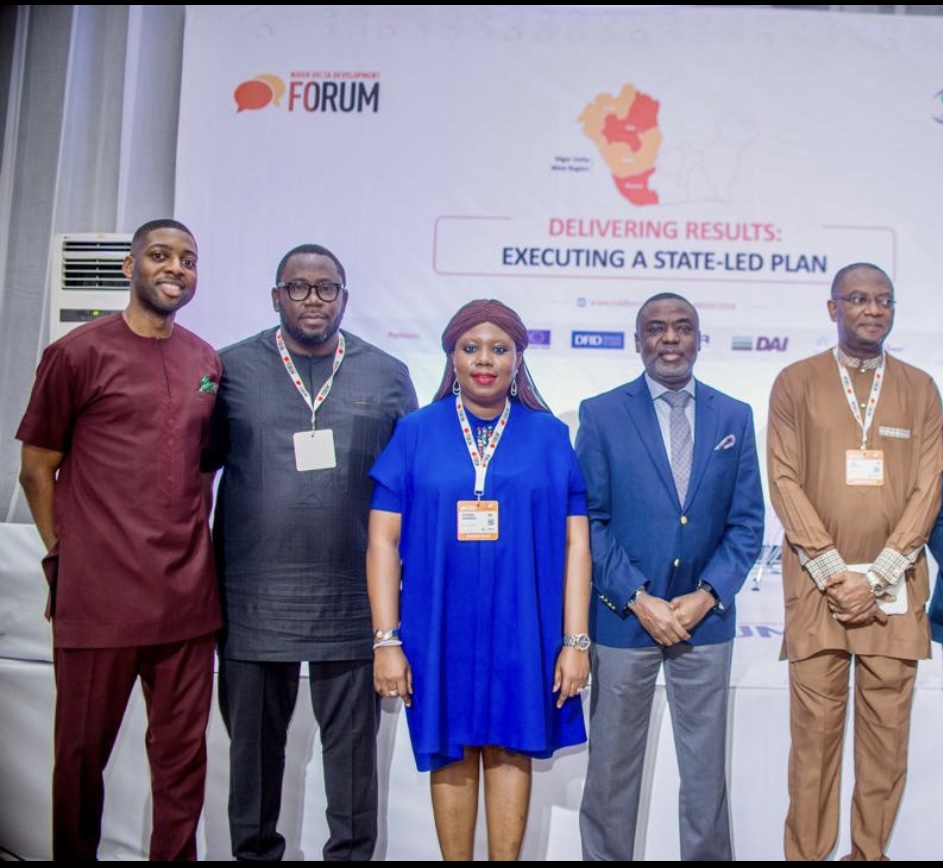
These experiences, from the creeks of the Niger Delta to the corridors of power in Abuja and Washington DC, the faith circles of Lagos and other cities within and outside Nigeria, and Board rooms in different places have taught me the lessons that shape the things I do.
In all of these settings, trust is not a soft consideration. It is the operating condition, for a leader who loses trust loses the room, and sometimes more than that room.
I founded BAAMI Advisory to bring these experiences to leaders who are carrying similar weights in their own settings.
Nearly four decades in, the work has narrowed rather than widened. Now you would find me emphasizing increased competence in three things:
How leaders think.
How leaders speak.
And what leaders leave behind.
What I Have Learned
Six lessons · select to read
When people understand what matters and what comes next, they move with greater confidence and purpose. Leaders create that confidence through clarity. When they do not, organizations absorb the cost through wasted effort, uncertainty and unnecessary anxiety. People will forgive difficult messages but rarely messages that they have to interpret for themselves.
Every organization displays its values; few consistently live them. Leaders shape culture through the standards they uphold, the behavior they reward and the conduct they refuse to ignore. People watch what leaders do far more closely than what they say.
Long before a Chief Executive speaks, people notice posture, presence, pace and conviction. They decide whether the message is credible before they hear the first sentence. Words reinforce credibility. They rarely create it.
One dismissive response can silence honest conversations for years. Leaders rarely notice the moment trust begins to disappear. They notice it later, when problems arrive without warning and people say only what they think the leader wants to hear.
Leaders do not build enduring institutions by making themselves indispensable. They do so by preparing others to lead. The strongest institutions flourish because leadership was shared and renewed long before it became necessary.
Experience alone does not produce wisdom. Reflection gives it meaning. Without reflection, people repeat familiar patterns instead of developing deeper understanding.
Up next
What I believe
Leadership begins with service and is sustained by stewardship.
Faith shapes how I lead, how I serve and how I live.
- Character ultimately outlasts competence.
- Institutions exist to serve people and society, not simply to achieve commercial success.
- The true measure of leadership lies in the leaders we develop and the institutions we strengthen.
- Every piece of work deserves excellence, whether or not anyone is watching.
Leadership philosophy
Three principles have shaped how I lead, serve and advise others.
Lead with humility
I believe leadership begins with humility. I welcome correction because it sharpens judgment, and I embrace listening because every conversation offers an opportunity to learn. Leaders serve people best when they place the mission above themselves.
Build others
I try to leave every person better - stronger, wiser or more confident - than when we first met. Whether I advise a Chief Executive, mentor a young professional or speak to a room of leaders, I measure success by the growth I help others to achieve.
Lead with purpose
I believe leadership requires more than solving today's problems. It requires preparing people, strengthening institutions and creating the conditions for others to lead well long after you have stepped aside.
Beyond the Work
Faith shapes every part of my life. It influences how I lead, how I serve and how I make decisions. I do not separate my convictions from my work because they give purpose to both.
Legacy
I no longer think of legacy as something distant. I think of it as the people we shape, the standards we uphold and the habits we leave behind. Long after titles fade, those things continue to influence others.
01
Travel
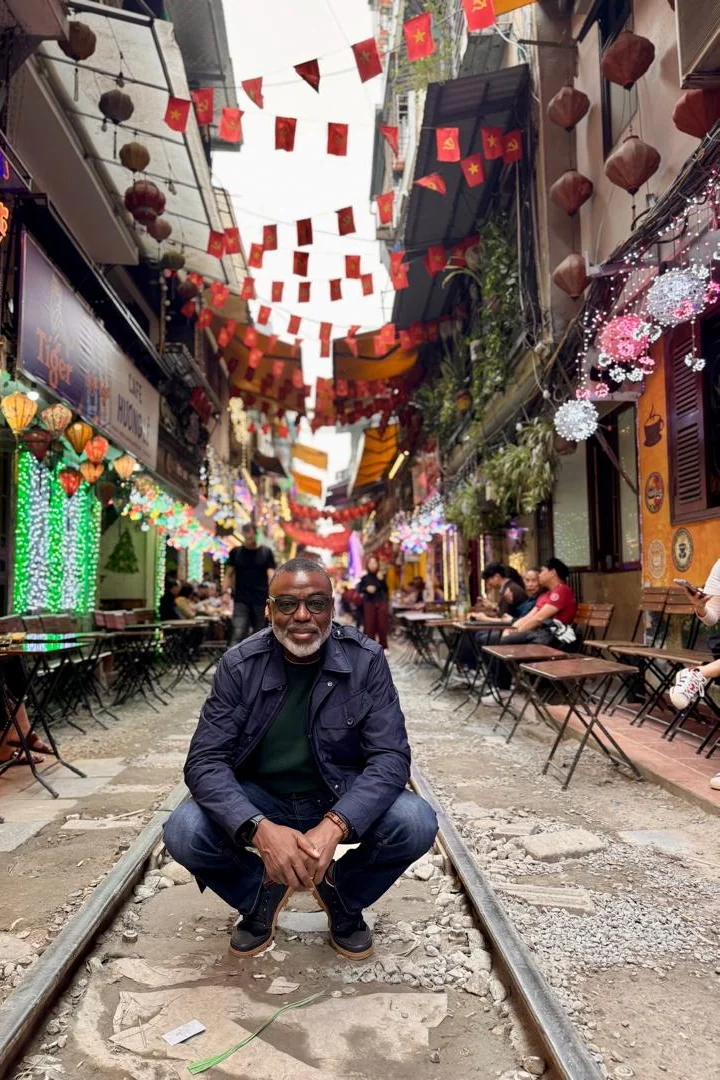
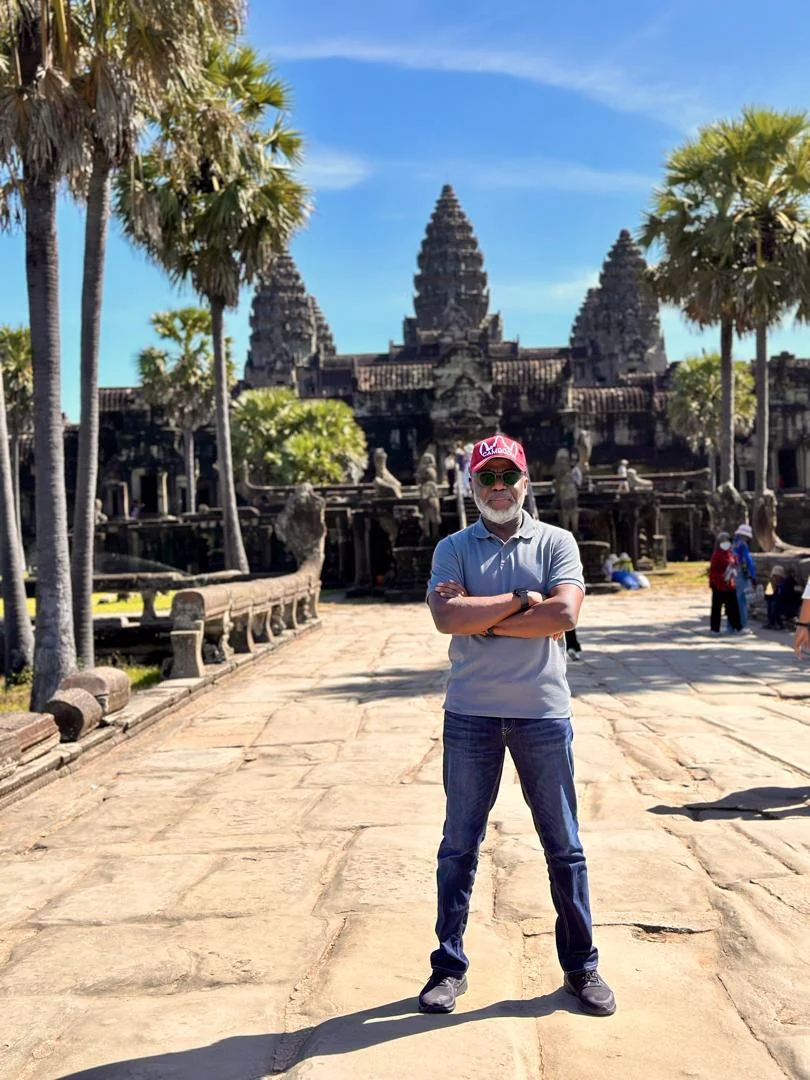
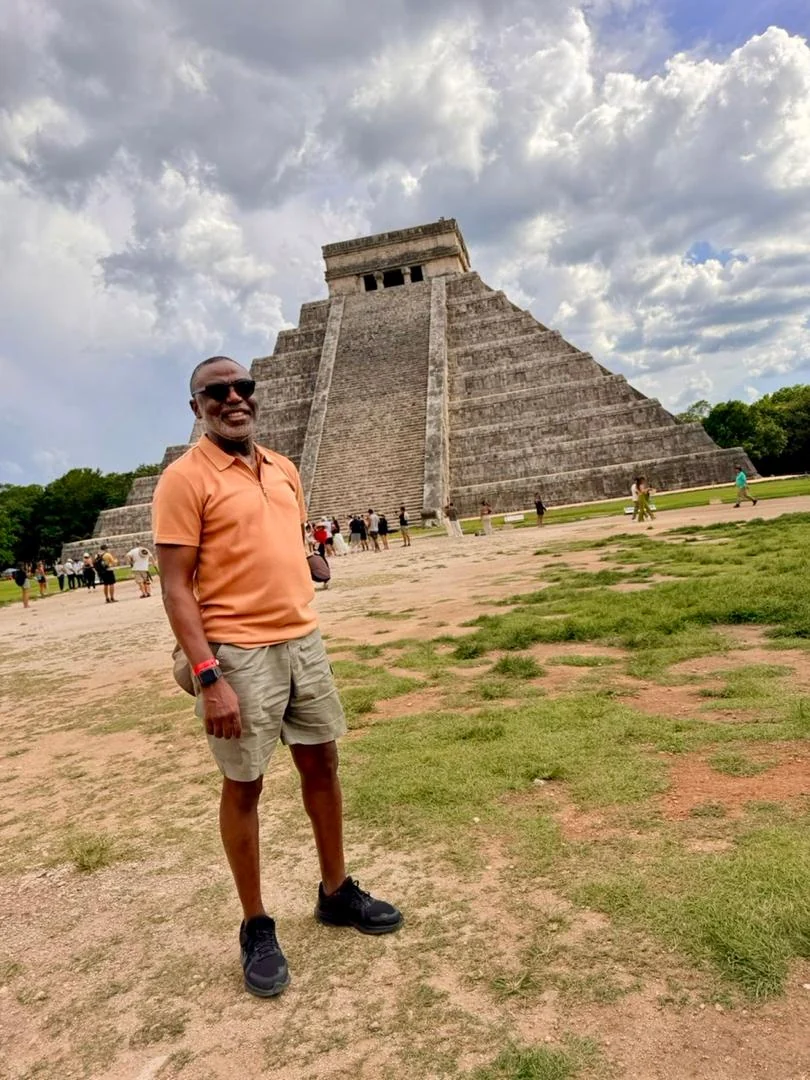
Every place I visit teaches me something new. Different cultures, communities and organizations challenge my assumptions and remind me that wisdom grows when curiosity travels further than certainty.
02
Reading
Books have shaped many of my convictions. I read widely, particularly on leadership, history, governance and Scripture, and I often return to the same books because each season teaches me something different.
03
Mentoring
Few things give me greater joy than investing in the next generation. I meet regularly with young professionals and emerging leaders because those conversations sharpen my own thinking as much as I hope they encourage theirs.
The Legacy ProjectPressure doesn't invent character, it exposes patterns - which quietly shape trajectory way before results show.
Long before outcomes speak, habits are already telling the story.