Ideas & Engagements
Writing
Writing helps me examine ideas more carefully. It gives me the opportunity to test my thinking, explore enduring questions and share lessons drawn from leadership, governance, faith and everyday experience.
Some pieces run long and become essays. Others capture an idea, an observation or a question before it is forgotten. Together they reflect the questions that continue to shape my work, my judgment and my faith.
What You Notice Determines How You Engage
People watch birds.
I watch people.
Airports are my favorite places for it.
If you pay attention, you see fascinating patterns:
- Some people arrive early and settle in calmly, as though they built the terminal themselves.
- Some are sprinting through the concourse, hoping determination can compensate for poor planning.
- Some discover their boarding gate has changed and immediately adapt.
- Others spend precious minutes complaining before they move.
- Some travel alone, comfortable in their own company.
- Some travel together, moving in effortless harmony.
- Others travel together but seem to be barely tolerating one another.
The airport is a microcosm of life. People facing the same destination, the same rules, and often the same constraints but responding very differently - in their habits, mindsets, and choices.
One lesson stands out every time
What you notice determines how you engage.
It reminds me that one of the most underrated leadership skills is observation.
The people who pay attention usually adjust faster. They spot changes earlier. They waste less energy. They make better decisions.
The same is true beyond airports:
- At work
- In leadership
- In business
- In relationships
- In life
Many of the opportunities and risks around us are not hidden. We simply aren't paying attention.
Explore more writing on LinkedIn (opens in a new tab) and Instagram (opens in a new tab)
Speaking
I speak to Boards, executive teams, professional associations, faith communities and emerging leaders on the questions that shape leadership, organizations and society.
I do not speak simply to fill time or motivate an audience. I do to provoke thought, deepen understanding, and move people toward meaningful action.
Whether the conversation is about leadership, governance, institutions, service, or the responsibilities we carry toward others, I want people to leave with greater clarity, stronger judgment, and ideas they can put to work in their organizations, communities, and lives.
Speaking topics
The subject depends on the audience and the occasion. Some conversations belong in the boardroom, others belong in a university, faith community or room full of young people still navigating their paths in life. The following list is indicative and not exhaustive:
-
How we think, decide and lead when responsibility is high and the answers are not obvious.
-
The convictions, values and sense of responsibility that shape how we use influence and navigate life.
-
Helping young and emerging leaders develop character, judgment and the confidence to carry responsibility well.
-
Building organizations, communities and systems that remain strong beyond the people who lead them.
-
Navigating difficult conversations, changing circumstances and the responsibility that comes with being heard.
Beyond the Topic
These themes often overlap. A conversation with senior executives may explore judgment and character, while a university audience may focus on purpose, responsibility and preparing for leadership. A faith community may explore stewardship and influence. A Board may examine governance, institutional resilience and succession.
I shape each engagement around the audience, the occasion and the questions that matter most in that room.
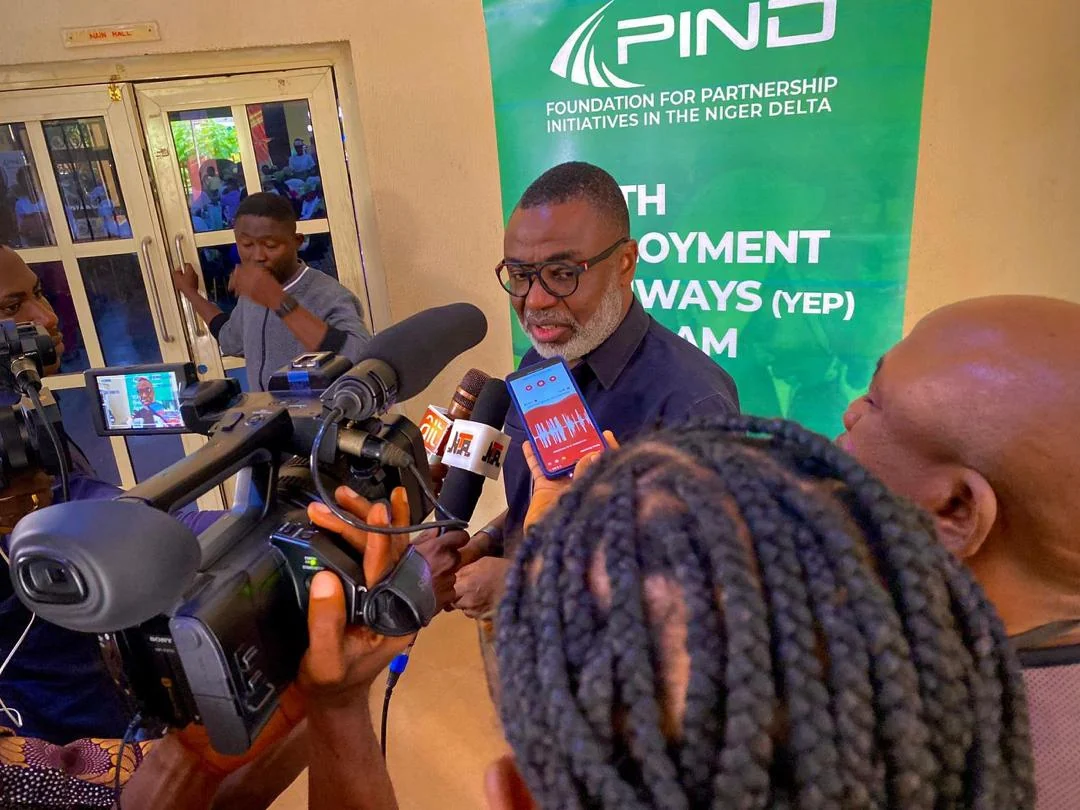
Youth Employment Pathways (YEP): Equipping the Next Generation for Sustainable Growth in the Niger Delta
Read the post-event report (opens in a new tab)Post-event report · PDF
Media
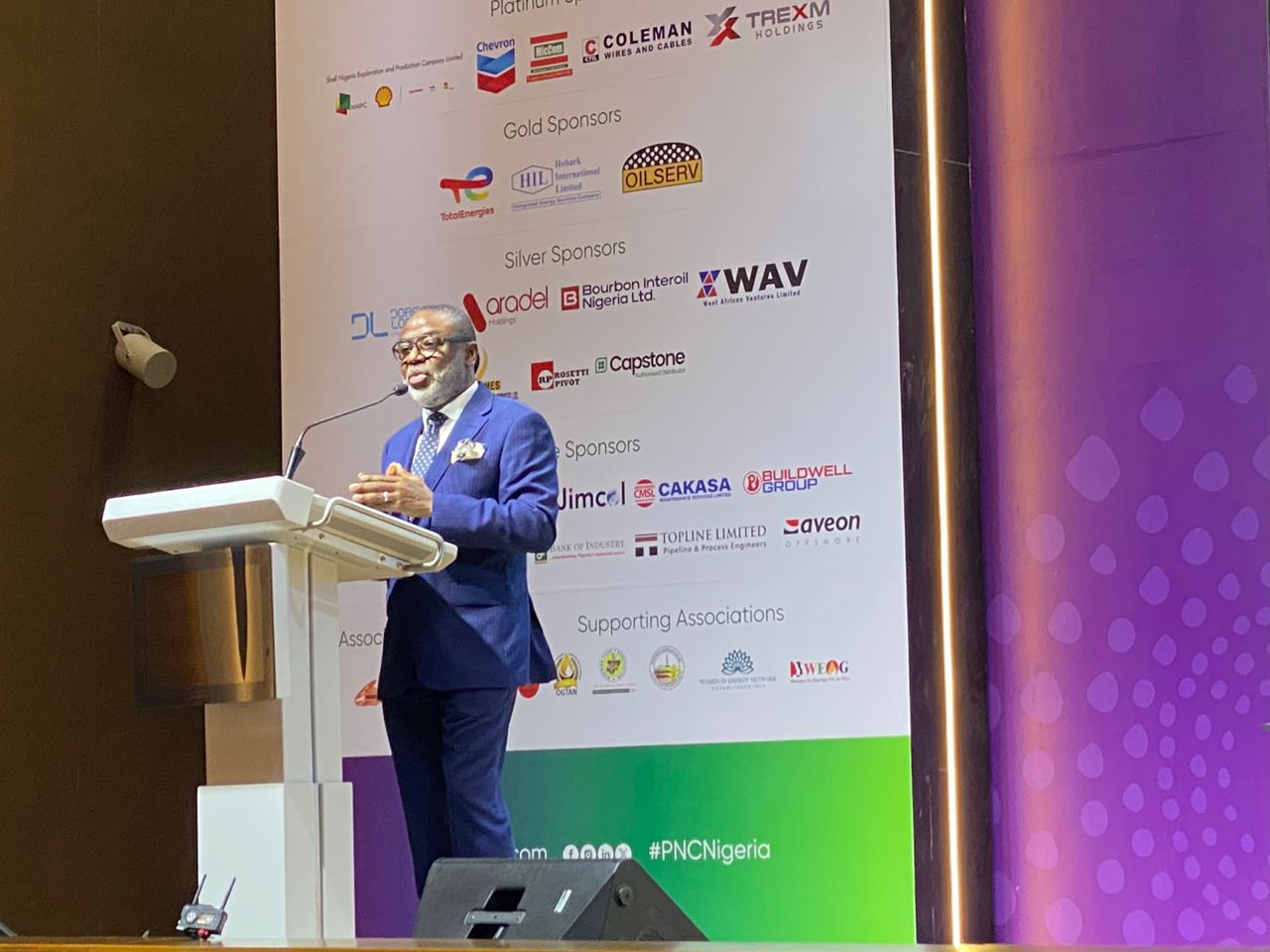
A collection of conversations, interviews, speaking engagements and published features.




Books
I am currently working on book projects that will bring together many of the ideas explored throughout this website.
The best way to hear about new books is to return to this page.
My Reading List
The books that have shaped my thinking continue to shape my work. Here I share the books I return to most often, recommend most frequently and believe every thoughtful leader should consider reading.
-
-
The Holy Bible
My faith is foundational to how I live, lead and serve, and Scripture continues to shape my understanding of purpose, character, stewardship and service.
-
The Triumphant Church — Kenneth E. Hagin
This book speaks to faith, spiritual authority and the believer's responsibility to understand and live in the victory available through Christ.
-
-
-
The 7 Habits of Highly Effective People — Stephen R. Covey
Covey's emphasis on character, principles and intentional living reinforces my belief that lasting effectiveness begins with who we are, not simply what we accomplish.
-
The 21 Irrefutable Laws of Leadership — John C. Maxwell
Maxwell's focus on influence, growth and developing others resonates with my belief that leadership is ultimately measured not only by what we achieve, but by the people we help become better leaders.
-
Jesus, CEO — Laurie Beth Jones
This book's exploration of leadership through the life and example of Jesus reinforces for me the connection between purpose, service, character and the way we influence others.
-
-
-
The Mountain Is You: Transforming Self-Sabotage into Self-Mastery — Brianna Wiest
Its exploration of self-sabotage and self-mastery is a useful reminder that some of the most important work of leadership begins with understanding and governing ourselves.
-
Coach Anyone About Anything: How to Help People Succeed in Business and Life — Germaine Porché and Jed Niederer
Its focus on coaching as a way of helping people learn, grow and perform better connects closely with my belief that developing others is one of the most important responsibilities of leadership.
-
Negotiation Genius — Deepak Malhotra and Max H. Bazerman
This book offers practical ways to approach negotiation more thoughtfully, particularly the importance of preparation, understanding interests and looking beyond the immediate position of the parties involved.
-
-
-
Entrepreneurship in the Social Sector — Jane Wei-Skillern, James Austin, Herman Leonard and Howard Stevenson
This book deepens the conversation around how social organizations can build the capacity, relationships and networks needed to create lasting impact.
-
-
-
The Total Money Makeover — Dave Ramsey
Ramsey's practical approach to financial discipline reinforces a principle I value broadly: good stewardship requires intentional choices, discipline and a willingness to think beyond the immediate.
-
Retire Young, Retire Rich — Robert Kiyosaki
This book encourages thinking differently about money, work and financial freedom, and the importance of making intentional choices about the future.
-